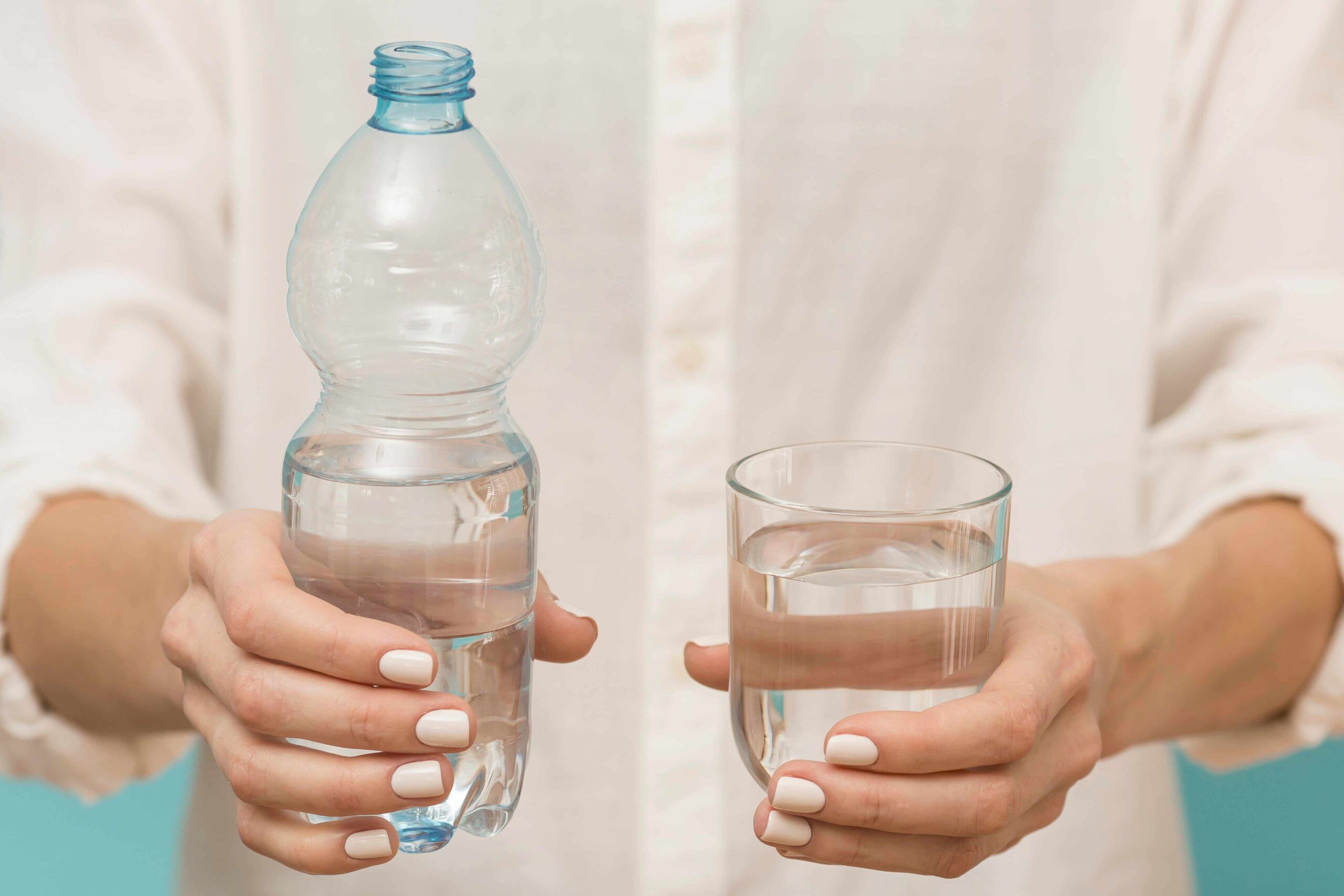
The majority of people use clean drinking water as an everyday resource until they experience a problem. People in many cities, particularly those in expanding urban regions, depend on bottled water and home water purifiers for their drinking water needs. The question of which option to use for daily drinking water emerges as an essential matter.
The comparison shows which drinking water option provides better safety and lower expenses between bottled water and water purification systems.
We will straightforwardly present the information, which enables you to select the best option between home and office.
Understanding Bottled Water
The convenience of bottled water leads to its widespread use by people. People can acquire the product from any local store because it requires no preparation before consumption.
Pros of Bottled Water
- Easily available everywhere
- No installation required
- Useful for travel and emergencies
Cons of Bottled Water
- Different brands offer products with varying quality standards
- The product contains multiple storage options, which create risks for product storage and product contamination
- The product results in the production of plastic waste
Many people assume bottled water is always pure, but that’s not always the case. The quality of water depends on three factors, which include how it is stored and transported, and its source.
Understanding Water Purifiers
A water purifier operates as a permanent system that continuously purifies water for home and office use. Modern purifiers use RO, UV, and UF technologies to achieve water treatment, which removes all contaminants, bacteria, and dangerous chemicals from water sources.
Pros of Water Purifiers
- Water quality remains stable throughout the day
- The system eliminates all bacteria and viruses, together with all dissolved contaminants
- The system saves money through its extended operational period
- The system reduces plastic waste, which makes it an environmentally sustainable solution
Cons of Water Purifiers
- The system requires money for its initial installation
- The system needs regular upkeep, together with filter replacement
The installation of a water purifier system provides customers with continuous access to clean drinking water without requiring external water sources.
Which option provides better protection to people?
Water purifiers provide better safety protection than other water treatment systems.
Bottled water can be safe if it comes from a trusted brand and is handled properly. However, there are risks:
- Storage facilities expose products to high temperatures
- People reuse plastic bottles
- Local brands do not perform quality assessments of their products
A good water purifier operates through these three functions:
- The device purifies water at the location where users need it
- The device eliminates pollutants that exist in the specific water supply for your location
- The system delivers fresh water, which has undergone treatment with every use
A well-maintained water purifier provides safer service to users who need daily access to water purification.
Which option is more affordable between the two choices?
The greatest distinction between the two options becomes evident through their respective cost differences.
Bottled Water Cost
- A family that uses 20-liter jars as their regular water supply will face increasing monthly expenses. The total cost for this expense reaches an important threshold after one year.
Water Purifier Cost
- The required expenses include both the permanent installation fees and the temporary usage charges.
- The system requires only minimal costs for its ongoing monthly upkeep.
The total expenses for bottled water become less expensive than the initial costs of purchasing a water purifier which becomes more affordable with each passing day.
The conclusion shows that water purifiers provide superior cost savings to consumers when used over extended periods.
Environmental Impact
This is something many people overlook.
- Bottled water creates excessive plastic waste because it contributes to the problem.
- Most plastic bottles are not recycled properly
- Carbon footprint expansion results from both production activities and transportation processes.
Water purifiers offer a sustainable solution because they decrease single-use plastic consumption.
Which Option is Right for You?
Your choice depends on your situation:
- Choose bottled water if you need a temporary solution or are traveling
- Choose a water purifier if you want a long-term, safe, and cost-effective solution
For homes, offices, and rental spaces, a purifier is usually the smarter choice.
Final Thoughts
Both bottled water and water purifiers serve the same purpose—providing safe drinking water. Water purifiers emerge as the superior choice for long-term use when evaluating their safety, cost, and environmental effects.
The establishment of your own purification system gives you better water quality control because it decreases your need for external sources.
FAQs
Q1: Is bottled water actually safer than using a water purifier at home?
Ans: Bottled water only shows safe qualities when people store bottles from trusted brands in the correct storage methods. A home water purification system allows you to track your daily water consumption.
Q2: Which one saves more money in the long run?
Ans: Bottled water expenses increase rapidly when people calculate their costs every month. The initial cost of a water purifier seems high, but it results in lower expenses throughout its entire lifespan.
Q3: Can bottled water go bad or become unsafe?
Ans: Bottled water can become contaminated. The unsafe product becomes dangerous when people store bottles in hot conditions and use them multiple times.
Q4: Do water purifiers really make a big difference?
Ans: The system provides actual benefits to communities that lack access to clean drinking water. A high-quality water purifier eliminates dangerous contaminants, resulting in safe drinking water for everyday consumption.
Q5: Is it okay to drink tap water directly?
Ans: In some locations, it might be safe to drink from tap water, but many households have tap water that contains harmful impurities. The use of a purifier system provides additional safety protection for users.
Q6: How much money do people spend on bottled water each month?
Ans: The monthly cost for a family depends on their actual water usage patterns, which will develop into an invisible expense that grows over time.
Q7: Do water purifiers need a lot of maintenance?
Ans: The device operates well with minimal maintenance needs. The system requires only essential maintenance and periodic filter replacements to function effectively.
Q8: Does bottled water have negative effects on the environment?
Ans: Plastic waste constitutes the primary environmental problem. Most bottles face improper recycling, which increases environmental pollution.
Q9: How do I choose the right water purifier for my home?
Ans: Your water quality determines the best solution for your situation. High TDS water requires an RO purifier for treatment. The system operates effectively with basic treatment solutions for regular water.

Sahil Sachdeva is the Founder of curemedoc.com and a Digital Marketing professional with years of experience. If you need help with content writing and want to increase your website ranking, connect with him, as he has some premium websites where you can share blogs with DoFollow links and increase your website’s ranking on Google.