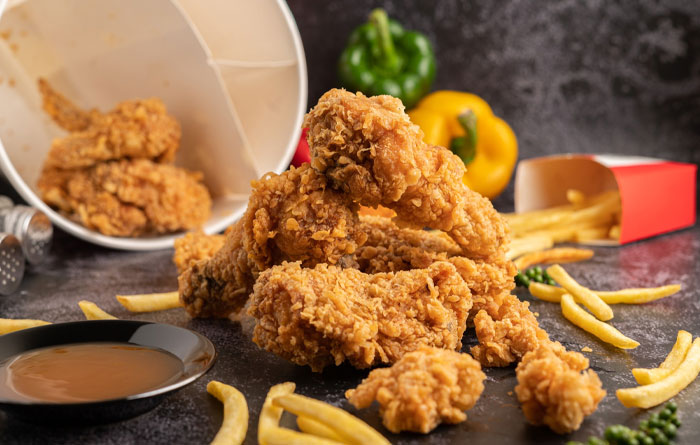
For years, Chick-fil-A built a strong reputation for serving chicken raised without antibiotics. Many customers trusted the brand because of its commitment to cleaner food and responsible sourcing. However, the company recently announced a major change that has raised questions among health-conscious consumers.
Chick-fil-A’s chicken will no longer be completely antibiotic-free. Instead, the company is shifting to a different approach known as “No Antibiotics Important to Human Medicine” (NAIHM).
So what does this change really mean? And should customers be concerned?
Let’s break it down in simple terms.
What Changed in Chick-fil-A’s Chicken Policy?
Previously, Chick-fil-A used chicken raised with no antibiotics ever. This meant birds were never given antibiotics at any stage of their life.
Under the new policy, the company will allow certain antibiotics that are not considered important for treating human diseases. These antibiotics may be used if chickens become sick and need treatment.
Chick-fil-A says this change helps ensure animal welfare and improves supply stability while still protecting human health.
While the company emphasizes that these antibiotics are not critical for humans, the shift marks a clear step away from its earlier antibiotic-free promise.
Why Did Chick-fil-A Make This Decision?
According to the company, the decision was made due to challenges in maintaining a consistent supply of chicken raised without any antibiotics at all.
As demand grew nationwide, sourcing enough antibiotic-free chicken became increasingly difficult. The brand stated that allowing limited antibiotics helps farmers care for sick animals rather than letting them suffer.
Chick-fil-A also claims this move allows them to maintain food quality, availability, and affordability for customers.
However, many consumers feel disappointed, especially those who chose the restaurant specifically for its antibiotic-free commitment.
What Does “No Antibiotics Important to Human Medicine” Mean?
The term “No Antibiotics Important to Human Medicine” can sound confusing.
It means chickens may receive antibiotics that are not commonly used to treat human infections. These drugs are classified by the World Health Organization as having lower importance in human healthcare.
Even so, critics argue that any antibiotic use in livestock can contribute to antibiotic resistance over time, a growing global health concern.
So while the antibiotics allowed are considered less risky, they are not entirely without concern.
Why Antibiotic Use in Food Matters
Antibiotic resistance is one of the biggest public health challenges today. When antibiotics are overused in animals, resistant bacteria can develop and potentially spread to humans.
This is why many health organizations recommend limiting antibiotic use in food production whenever possible.
Antibiotic-free meat became popular because it aligned with cleaner eating, reduced resistance risks, and increased transparency in food sourcing.
For consumers who prioritize these values, Chick-fil-A’s change may feel like a step backward.
Is Chick-fil-A Chicken Still Safe to Eat?
Yes, Chick-fil-A chicken is still considered safe for consumption.
All poultry sold in the U.S. must meet strict food safety standards. Any antibiotic residues must be below regulated limits before meat reaches consumers.
However, safety and consumer preference are two different things. Some people choose antibiotic-free meat not only for safety but also for long-term health, ethics, and sustainability reasons.
How Are Customers Reacting?
Customer reactions have been mixed.
Some people understand the company’s reasoning, especially regarding animal welfare and supply challenges. Others feel misled, particularly because Chick-fil-A previously promoted its antibiotic-free commitment heavily.
On social media, many customers expressed disappointment and said they expect better transparency from large food brands.
This change has also sparked broader conversations about food labeling and what terms like “antibiotic-free” really mean.
What This Means for Health-Conscious Consumers
If you regularly eat fast food, this change may not drastically impact your health. Occasional consumption is unlikely to pose a serious risk.
However, for individuals who prioritize clean eating, organic food, or antibiotic-free meat, this update may influence dining choices.
Consumers who wish to avoid antibiotics completely may prefer restaurants or grocery brands that continue to follow a “no antibiotics ever” policy.
Reading labels and understanding sourcing policies is becoming increasingly important in today’s food industry.
Final Thoughts
Chick-fil-A’s decision to move away from fully antibiotic-free chicken marks a significant shift in its food sourcing strategy.
While the company states that it will not use antibiotics important to human medicine, the change has raised valid concerns among health-focused consumers.
The chicken remains safe to eat, but the update highlights the ongoing tension between large-scale food production, animal welfare, supply demands, and public health expectations.
As consumers, staying informed helps us make choices that align with our personal health values.
FAQs
Q1. Is Chick-fil-A chicken still antibiotic-free?
Ans: No. The company now allows antibiotics that are not important to human medicine.
Q2. Are these antibiotics harmful to humans?
Ans: They are considered lower risk, but concerns about antibiotic resistance still exist.
Q3. Is Chick-fil-A chicken safe to eat?
Ans: Yes, it meets all food safety regulations.
Q4. Why did Chick-fil-A change its policy?
Ans: The company cited supply challenges and animal welfare concerns.
Q5. Can consumers still choose antibiotic-free chicken elsewhere?
Ans: Yes, many restaurants and grocery brands still offer “no antibiotics ever” meat.

Sahil Sachdeva is the Founder of curemedoc.com and a Digital Marketing professional with years of experience. If you need help in Content writing and want to increase your website ranking, connect with him, as he has some premium websites where you can share blogs with DoFollow links and increase your website’s ranking on Google.