Multiple Sclerosis (MS) is a chronic neurological condition that affects the central nervous system, including the brain and spinal cord. It occurs when the immune system mistakenly attacks the protective covering of nerves, known as myelin. This damage disrupts communication between the brain and the rest of the body, leading to a wide range of physical and mental symptoms.
People living with MS may experience muscle stiffness, nerve pain, fatigue, difficulty walking, poor balance, vision problems, and emotional stress. While prescription treatments are essential for slowing disease progression, many individuals still struggle with daily symptoms. Because of this, interest in natural and supportive therapies like CBD (Cannabidiol) has grown significantly in recent years.
Understanding CBD and How It Works
CBD, short for cannabidiol, is a naturally occurring compound found in the cannabis and hemp plants. Unlike THC, CBD does not cause intoxication or produce a “high.” This makes it more acceptable for medical and wellness use, especially for people with chronic conditions like Multiple Sclerosis.
CBD interacts with the body’s endocannabinoid system (ECS), a complex network of receptors involved in regulating pain, inflammation, mood, sleep, and immune function. Since MS directly affects nerve signaling and immune activity, researchers believe CBD may help support balance within this system.
Rather than targeting one symptom, CBD works more broadly by helping the body maintain internal stability, which may explain why some MS patients report improvements across multiple areas.
Can CBD Help with Multiple Sclerosis?
CBD is not a cure for Multiple Sclerosis, and it does not stop disease progression. However, it may help reduce the severity of certain symptoms when used alongside standard medical treatment.
Many people with MS report that CBD helps them feel more relaxed, reduces muscle tightness, and makes daily movement more manageable. Others say it supports better sleep, which is extremely important for overall health and symptom control.
In several countries, cannabinoid-based medicines that include CBD have been approved for treating MS-related muscle spasticity, suggesting that cannabinoids may play a useful role in symptom management for selected patients.
Potential Benefits of CBD for MS
One of the most commonly reported benefits of CBD among MS patients is reduced muscle stiffness. Spasticity can make walking and daily movement painful, and CBD may help relax tense muscles over time.
CBD may also help manage nerve-related pain, which often feels like burning, tingling, or electric sensations. Because CBD interacts with pain receptors and inflammation pathways, it may provide gentle relief without strong side effects.
Many users also report better sleep quality after using CBD. Since fatigue is one of the most disabling MS symptoms, improved rest can significantly enhance daily functioning.
Additionally, CBD’s calming effects may help reduce anxiety, stress, and mood swings that often accompany long-term neurological conditions.
What Research Says About CBD and MS
Scientific research on CBD and Multiple Sclerosis is still developing. Some studies suggest that cannabinoid-based therapies can reduce muscle spasms and pain in MS patients, particularly when CBD is combined with small amounts of THC.
However, studies focusing on CBD alone are limited. While early findings are promising, large-scale clinical trials are still needed to confirm consistent benefits and ideal dosing.
Medical experts generally agree that CBD shows potential as a supportive therapy, but it should not yet be considered a primary treatment option for MS.
Is CBD Safe for People with MS?
CBD is generally well-tolerated by most adults, but like any supplement, it can cause side effects in some individuals. These may include dry mouth, mild dizziness, fatigue, changes in appetite, or digestive discomfort.
CBD can also interact with certain medications, especially those metabolized by the liver. This is particularly important for people with MS who often take long-term prescription drugs.
For this reason, it is strongly recommended to consult a neurologist or healthcare provider before starting CBD, especially if you are already on disease-modifying therapies.
Best Types of CBD Products for MS
CBD products are available in several forms, each offering different benefits depending on the symptoms being targeted.
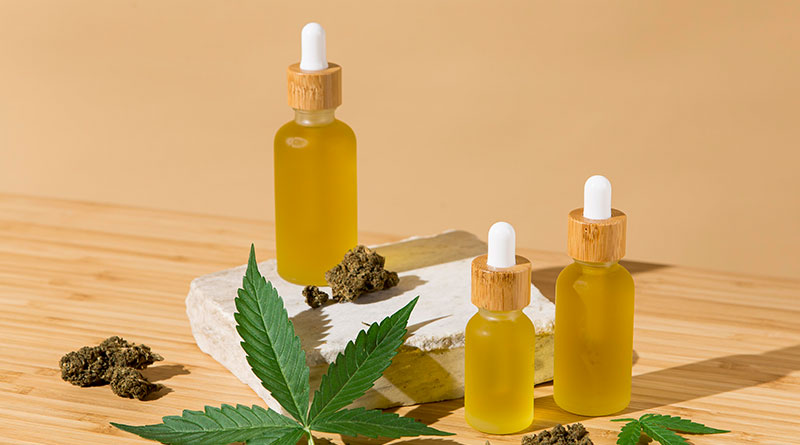
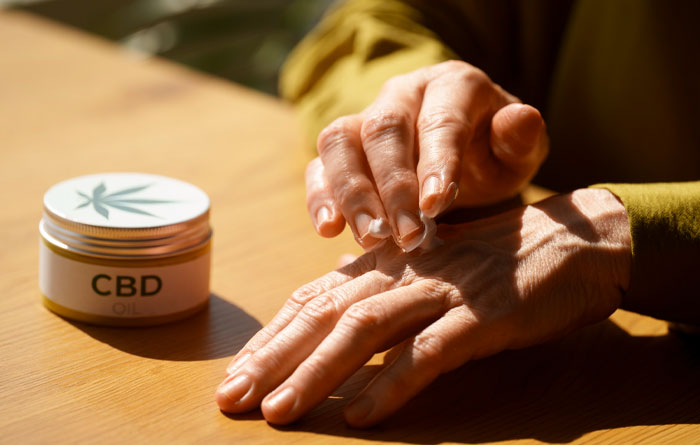
CBD oils and tinctures are commonly preferred because they are absorbed quickly and allow flexible dosing. Capsules and softgels are easier for daily routines and provide consistent intake. Topical creams and roll-ons may be helpful for localized muscle pain, stiffness, or joint discomfort.
Some individuals find combining oral CBD with topical application offers better symptom coverage, but this should always be done cautiously and gradually.
How to Choose a Good CBD Product
Choosing a high-quality CBD product is extremely important. Poor-quality products may contain inaccurate CBD levels or unwanted traces of THC.
Always look for brands that provide third-party lab test reports, clearly list ingredients, and use hemp grown under regulated conditions. Avoid products that claim to “cure MS” or promise instant results; these are warning signs of unreliable brands.
Transparency, testing, and realistic claims are key indicators of a trustworthy CBD product.
Important Things to Remember
CBD should be viewed as a supportive wellness option, not a replacement for medical treatment. MS is a serious neurological disease that requires professional care and long-term monitoring.
Results with CBD can vary greatly between individuals. What works well for one person may not work the same way for another. Keeping dosage low at the beginning and tracking symptom changes can help ensure safer use.
Consistency, patience, and medical guidance are essential when exploring CBD.
Final Thoughts
CBD has gained attention as a potential supportive option for people living with Multiple Sclerosis. While it cannot cure the disease, it may help manage symptoms such as pain, muscle stiffness, sleep problems, and emotional stress.
Ongoing research continues to explore how CBD affects neurological conditions, and future studies may provide clearer answers. Until then, CBD should be used responsibly, cautiously, and always alongside professional medical advice.
FAQs
Q1. Can CBD stop MS progression?
Ans: No, CBD does not stop or reverse Multiple Sclerosis. It may only help manage symptoms.
Q2. Is CBD safe for long-term use in MS?
Ans: Current evidence suggests it may be safe for many people, but long-term studies are still limited.
Q3. Can CBD help with MS fatigue?
Ans: Some users report improved sleep and reduced fatigue, though results vary.
Q4. Should CBD replace MS medication?
Ans: No. CBD should only be used as a complementary option, never as a replacement.
Q5. How long does CBD take to show results?
Ans: Some people notice changes within a few days, while others may take several weeks.

Sahil Sachdeva is the Founder of curemedoc.com and a Digital Marketing professional with years of experience. If you need help with content writing and want to increase your website ranking, connect with him, as he has some premium websites where you can share blogs with DoFollow links and increase your website’s ranking on Google.