
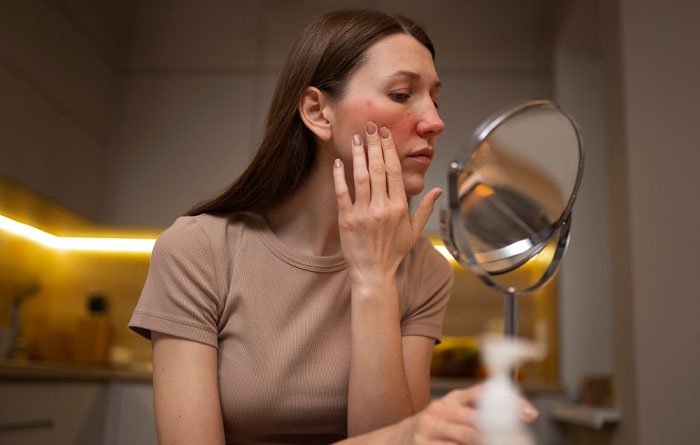
Seasonal allergies can turn a beautiful time of year into a daily struggle. While others enjoy blooming flowers and fresh air, allergy sufferers deal with sneezing, itchy eyes, a runny nose, congestion, and constant fatigue. If you’ve ever asked yourself, “How do you beat seasonal allergies?”, you’re definitely not alone.
The good news is that seasonal allergies can be managed, and in many cases, greatly reduced, with the right mix of lifestyle changes, home remedies, and medical support. This article explains practical and realistic ways to control allergy symptoms so you can breathe easier throughout the season.
What Causes Seasonal Allergies?
Seasonal allergies, also known as hay fever or allergic rhinitis, happen when your immune system overreacts to substances in the air. These substances are usually harmless, but your body treats them like dangerous invaders.
The most common seasonal allergy triggers include:
- Tree pollen in spring
- Grass pollen in late spring and summer
- Weed pollen in the fall
- Mold spores in humid weather
When these allergens enter your nose or eyes, your immune system releases chemicals like histamine, which leads to sneezing, itching, swelling, and congestion.
Common Symptoms of Seasonal Allergies
Seasonal allergies can affect people differently, but the most common symptoms include:
- Frequent sneezing
- Runny or blocked nose
- Itchy or watery eyes
- Scratchy throat
- Coughing
- Sinus pressure
- Headaches
- Fatigue or poor sleep
These symptoms can last for weeks or even months if allergens remain present in the environment.
How Do You Beat Seasonal Allergies Naturally?
Beating seasonal allergies doesn’t always mean relying only on medicines. Many people find strong relief through daily habits and preventive care.
Reducing exposure to allergens is one of the most effective first steps. Simple changes can significantly lower how much pollen enters your body.
Keeping windows closed during high pollen days, using air purifiers indoors, and showering after coming home can all reduce allergy load. Changing clothes after outdoor activities also helps prevent pollen from spreading around your home.
Consistency matters more than perfection.
Check Daily Pollen Levels
One of the easiest ways to manage seasonal allergies is by tracking pollen counts.
Pollen levels are usually highest:
- Early in the morning
- On dry, windy days
When pollen counts are high, it’s best to:
- Limit outdoor time
- Avoid morning walks
- Keep car windows closed
- Use air conditioning instead of open air
Planning your day around pollen levels can make a noticeable difference in symptom control.
Keep Your Home Allergy-Friendly
Your home should be a safe space, not a place where allergens build up.
Regular cleaning plays a huge role in allergy prevention. Vacuuming carpets, washing bed sheets weekly in hot water, and cleaning curtains can reduce indoor allergens.
Using HEPA air filters can trap pollen, dust, and pet dander more effectively than regular filters. Dehumidifiers are also helpful, especially if mold is a trigger.
Even small steps, when done daily, can reduce long-term allergy symptoms.
Wash Away Allergens From Your Body
Pollen sticks easily to skin, hair, and clothing.
After spending time outdoors:
- Take a shower
- Wash your hair
- Change clothes immediately
This prevents pollen from transferring to pillows, sofas, and beds, which can worsen nighttime symptoms.
Nasal saline rinses are also very helpful. Rinsing the nasal passages helps flush out pollen and mucus, making breathing easier without medication.
Strengthen Your Immune System Naturally
A healthy immune system doesn’t overreact as strongly to allergens.
Eating a balanced diet rich in fruits, vegetables, and whole foods supports immune health. Foods high in vitamin C, quercetin, and omega-3 fatty acids may help reduce inflammation related to allergies.
Staying hydrated keeps mucus thin and helps clear allergens from the nasal passages.
Getting proper sleep is equally important, as poor sleep can worsen inflammation and increase allergy sensitivity.
Can Exercise Help With Seasonal Allergies?
Yes, moderate exercise can help improve airflow and reduce nasal congestion.
Regular physical activity supports circulation and immune balance. However, outdoor exercise should be timed carefully during allergy seasons.
Exercising indoors or later in the day when pollen counts are lower is usually safer for allergy sufferers.
Always shower after workouts to remove pollen from sweat and clothing.
Over-the-Counter Allergy Medications
When lifestyle changes are not enough, medications can help control symptoms.
Common options include:
- Antihistamines to reduce sneezing and itching
- Nasal sprays to reduce inflammation
- Decongestants for short-term congestion relief
These medications can be very effective, but they should be used correctly. Long-term or excessive use, especially of nasal sprays, can cause rebound congestion.
It’s always better to consult a healthcare provider before long-term medication use.
Can Allergy Shots or Immunotherapy Help?
For people with severe or long-lasting seasonal allergies, immunotherapy may be an option.
Allergy shots work by gradually exposing the body to small amounts of allergens, helping the immune system become less sensitive over time.
This approach doesn’t give instant relief, but it can significantly reduce symptoms in the long run and sometimes even prevent allergies from worsening year after year.
Natural Remedies That May Help
Some people find relief through natural approaches such as:
- Honey (local, raw varieties)
- Steam inhalation
- Herbal teas
- Nasal saline sprays
While these methods don’t work the same for everyone, they can support overall comfort when used alongside other treatments.
Always remember that “natural” does not always mean risk-free, especially if you have asthma or a chronic illness.
When Seasonal Allergies Become Severe
If allergies start interfering with daily life, sleep, or work, it’s important not to ignore them.
You should see a doctor if:
- Symptoms last for months
- Over-the-counter medicines don’t help
- You develop sinus infections frequently
- You have breathing difficulty or asthma symptoms
Proper diagnosis ensures you’re treating allergies, not another condition with similar symptoms.
Long-Term Tips to Beat Seasonal Allergies
Managing seasonal allergies is not about one solution; it’s about consistency.
Long-term control improves when you:
- Start treatment before allergy season begins
- Maintain clean indoor air
- Avoid known triggers
- Follow daily routines
- Stay informed about pollen patterns
Small habits practiced daily often provide better relief than sudden treatments after symptoms worsen.
Final Thoughts
Beating seasonal allergies is absolutely possible with the right approach. While you may not eliminate allergies, you can greatly reduce their impact on your daily life.
By limiting pollen exposure, strengthening your immune system, maintaining clean indoor air, and using medications wisely, most people can breathe easier throughout allergy season.
Listening to your body and acting early is the key.
FAQs
Q1: How long do seasonal allergies usually last?
Ans: They can last several weeks or months, depending on pollen exposure.
Q2: Can seasonal allergies go away on their own?
Ans: Symptoms often improve when pollen levels drop, but allergies may return yearly.
Q3: Are seasonal allergies contagious?
Ans: No, they are not contagious.
Q4: Can stress worsen allergies?
Ans: Yes, stress can increase inflammation and worsen symptoms.
Q5: Is it safe to take allergy medicine daily?
Ans: Some medicines are safe for daily use, but long-term use should be guided by a doctor.

Sahil Sachdeva is the Founder of curemedoc.com and a Digital Marketing professional with years of experience. If you need help with content writing and want to increase your website ranking, connect with him, as he has some premium websites where you can share blogs with DoFollow links and increase your website’s ranking on Google.