The human body rests, heals, and recovers through posture. One of the most commonly used body positions in medical care and daily life is the supine position. Although the term sounds technical, it refers to something very simple: lying flat on your back.
This position is widely used in hospitals for diagnostic procedures, exercise therapy, and even during sleep. Understanding the supine position in detail can help you know when it supports your health and when it may need adjustment.
What Is the Supine Position?
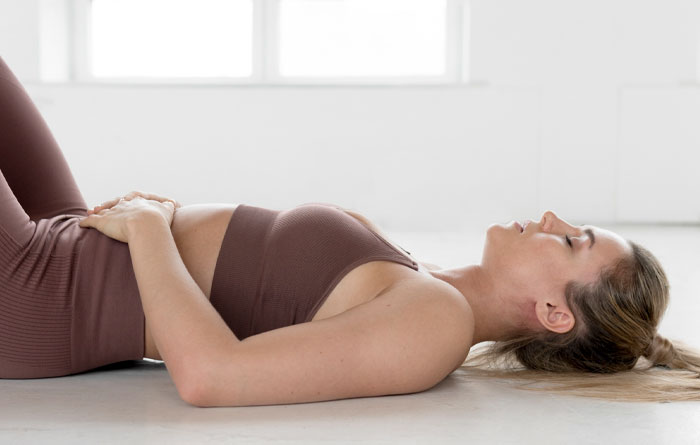
The supine position means lying on your back with your face pointing upward. Your spine rests in a straight line, your chest faces the ceiling, and your legs are usually extended naturally.
In this position, gravity is evenly distributed across the body. This balanced posture, it allows muscles to relax more easily compared to sitting or standing.
The supine position is commonly used during medical examinations, physical therapy sessions, and rest periods because it provides stability and comfort.
Why Is the Supine Position Used in Medical Settings?
Healthcare professionals frequently place patients in the supine position because it offers full access to the front of the body. This makes it ideal for examining the abdomen, chest, arms, and legs.
Medical imaging tests such as X-rays, CT scans, MRIs, and ultrasounds are often performed in this position. It also allows doctors to monitor breathing, heart rate, and circulation more effectively.
In emergency care, the supine position helps keep the body aligned and supports proper blood flow during treatment.
Health Benefits of the Supine Position
One of the main health benefits of the supine position is improved spinal alignment. When lying flat, pressure is evenly distributed, reducing stress on the lower back and hips.
This position may help relax tight muscles and reduce discomfort caused by prolonged sitting or poor posture. It also allows the body to enter a deeper state of rest, supporting physical recovery.
For people experiencing mild back or joint pain, resting in the supine position with proper support can bring noticeable relief.
Supine Position and Spine Alignment
The spine has natural curves that need proper support. In the supine position, the spine is closer to its neutral alignment than in many other postures.
Placing a pillow under the knees slightly elevates the legs and reduces tension on the lower back. This helps maintain the natural lumbar curve and prevents muscle strain.
Good spinal alignment in this position can support long-term posture health when used regularly for rest or therapy.
Supine Position and Sleep Quality
Many people naturally sleep on their backs without realizing they are in the supine position. For some, this posture can significantly improve sleep comfort.
Sleeping supine allows even body weight distribution, which can reduce pressure points on the shoulders and hips. It may also help prevent neck pain when paired with a supportive pillow.
However, people with snoring issues or sleep apnea may notice worsened symptoms, as gravity can cause airway obstruction in this position.
Supine Position in Physical Therapy and Rehabilitation
The supine position is widely used in rehabilitation programs because it provides stability and safety during movement.
Many physical therapy exercises begin with lying on the back to minimize injury risk. This position helps isolate specific muscles, especially the core, pelvic muscles, and lower back.
For people recovering from injury or surgery, the supine position allows controlled movement while protecting healing tissues.
Supine Position in Yoga and Relaxation Practices
In yoga, the supine position is commonly used for relaxation and mindfulness. One of the most well-known poses, Savasana, is performed while lying flat on the back.
This position helps slow breathing, reduce muscle tension, and calm the nervous system. It encourages deep relaxation and mental clarity.
Many meditation and breathing exercises also begin in the supine position to promote full-body awareness.
Supine Position and Blood Circulation
The supine position can support healthy blood circulation by allowing blood to flow evenly throughout the body.
When lying flat, the heart does not have to work as hard against gravity compared to standing. This can be helpful during recovery, fatigue, or after physical exertion.
For some people, short periods in the supine position may help reduce leg swelling and promote relaxation.
When the Supine Position May Cause Discomfort
Although beneficial, the supine position is not ideal for everyone.
Pregnant women, especially during later stages, are advised not to lie flat on their backs for long periods because it may compress major blood vessels.
People with acid reflux, breathing problems, or sleep apnea may feel discomfort in this position. In such cases, side sleeping or elevated positions may be safer.
Listening to body signals is essential when choosing any resting posture.
Tips for Using the Supine Position Comfortably
To make the supine position more comfortable, proper support is important. Using a pillow under the knees helps relieve lower back pressure.
A neck-support pillow helps maintain natural alignment and prevents stiffness. A firm yet comfortable mattress also plays a key role.
Adjusting your posture slightly can greatly improve comfort and prevent long-term strain.
Final Thoughts
The supine position is one of the most important and commonly used body positions in healthcare and daily life. When used correctly, it supports spinal alignment, relaxation, circulation, and recovery.
While it may not suit everyone in every situation, understanding when and how to use the supine position can greatly improve comfort and overall well-being.
Small posture changes can make a big difference in long-term health.
FAQs
Q1. What is the supine position in simple words?
Ans: It means lying flat on your back, facing upward.
Q2. Is the supine position good for posture?
Ans: Yes, it helps maintain proper spinal alignment when supported correctly.
Q3. Can sleeping supine cause problems?
Ans: It may worsen snoring or sleep apnea in some individuals.
Q4. Is the supine position safe for daily rest?
Ans: Yes, for most people, it is safe and beneficial for short rest periods.
Q5. Why is the supine position used in hospitals?
Ans: It allows easy access for examination, treatment, and monitoring.

Sahil Sachdeva is the Founder of curemedoc.com and a Digital Marketing professional with years of experience. If you need help in Content writing and want to increase your website ranking, connect with him, as he has some premium websites where you can share blogs with DoFollow links and increase your website’s ranking on Google.