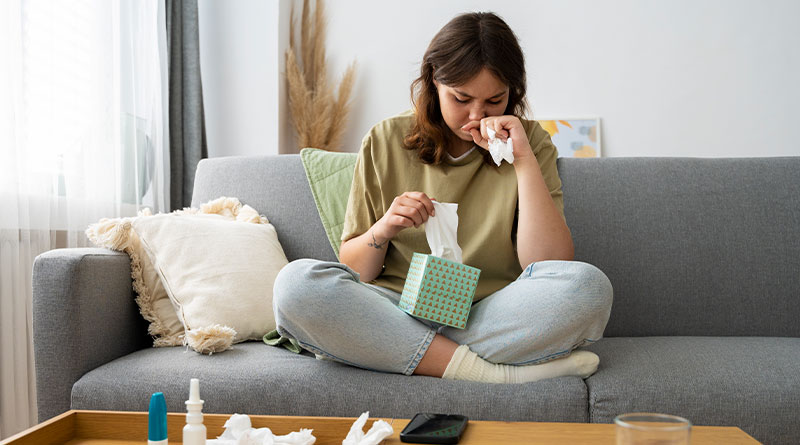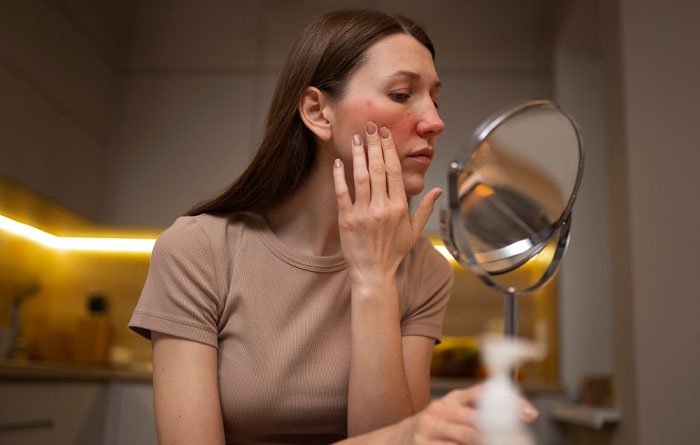
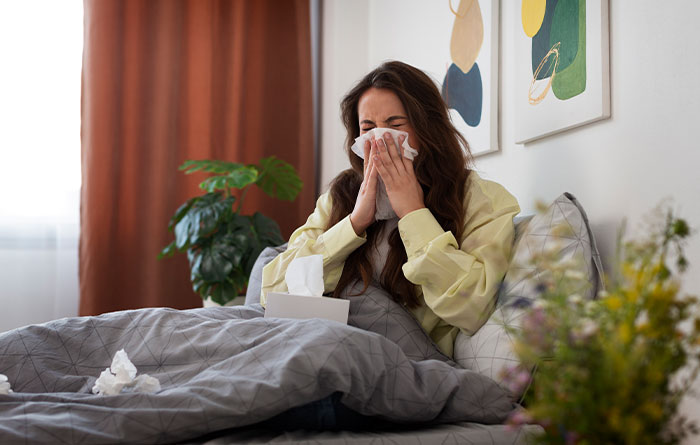
Living with allergies can be exhausting. Constant sneezing, watery eyes, blocked nose, itchy throat, and disturbed sleep can slowly affect your daily routine. Many people assume allergies only come from outside pollen, but in reality, your home is often the biggest source of allergy triggers.
Dust mites, mold, pet dander, and poor air quality can silently worsen symptoms every day. The good news is that with the right habits and small lifestyle changes, you can significantly reduce allergy symptoms without leaving your home.
Let’s explore practical, realistic, and effective ways to reduce allergies at home and breathe easier every day.
Understanding Why Allergies Get Worse at Home
Allergies occur when your immune system reacts strongly to harmless substances known as allergens. When these allergens enter your nose or lungs, your body releases histamine, causing inflammation and common allergy symptoms.
At home, allergens tend to build up over time. Closed spaces, soft furnishings, humidity, and lack of ventilation allow these triggers to stay trapped indoors.
Unlike outdoor allergens, indoor triggers affect you continuously, especially while sleeping, making symptoms more persistent.
Common Indoor Allergy Triggers You Should Know
Before reducing allergies, it helps to understand what causes them.
Indoor allergens commonly include dust mites, pet hair and dander, mold spores, pollen carried indoors on clothes, cockroach particles, and indoor chemical fumes. These allergens are extremely small and often invisible.
Because you spend most of your time at home, even small amounts can lead to long-term irritation if not controlled properly.
Keep Your Home Clean the Right Way
Cleaning helps control allergies, but how you clean matters just as much as how often you clean.
Using dry dusters can push allergens into the air. Instead, clean surfaces using a damp cloth that traps dust rather than spreading it.
Vacuum floors, carpets, and furniture regularly. If possible, use a vacuum cleaner with a HEPA filter, which prevents allergens from re-entering the air.
Regular cleaning reduces allergen buildup and improves indoor comfort over time.
Focus on Your Bedroom First
Your bedroom plays a major role in allergy control because you spend six to eight hours there every night.
Dust mites love mattresses, pillows, blankets, and bed sheets. Washing bedding weekly in hot water helps kill them. Using allergy-proof mattress and pillow covers creates a protective barrier.
Keeping minimal clutter in the bedroom reduces dust accumulation and helps maintain cleaner air while you sleep.
Reduce Dust Mites Naturally
Dust mites thrive in warm, humid environments.
Keeping humidity below 50% makes it difficult for dust mites to survive. Regular airing of rooms, sunlight exposure, and washing fabrics often can significantly lower their population.
Avoid heavy bedding materials and consider replacing old pillows and mattresses if symptoms remain severe.
Control Moisture and Humidity Levels
High humidity encourages mold growth and dust mites.
Bathrooms, kitchens, and basements are common moisture zones. Using exhaust fans during showers and cooking helps remove excess moisture from the air.
A dehumidifier can be helpful in damp homes, especially during rainy seasons. Dry environments reduce allergen survival significantly.
Prevent Mold Growth at Home
Mold is a strong allergy trigger and often grows silently behind walls, under sinks, or near windows.
Cleaning damp areas regularly and repairing water leaks immediately can prevent mold formation. If you notice a musty smell, discoloration on walls, or recurring nasal symptoms in certain rooms, mold could be present.
Proper ventilation and dryness are your strongest defense against mold-related allergies.
Improve Indoor Air Quality Daily
Poor indoor air quality is one of the biggest reasons allergies persist.
Air purifiers with HEPA filters help trap airborne particles such as pollen, dust, and pet dander. Running an air purifier in bedrooms during sleep hours can provide noticeable relief.
Avoid smoking indoors and limit the use of strong fragrances, incense, and chemical sprays that irritate airways.
Be Careful With Household Products
Many cleaning agents, air fresheners, and scented candles release chemicals that can worsen allergy symptoms.
Switching to fragrance-free or natural cleaning products reduces airway irritation. Simple ingredients like vinegar and baking soda can often clean effectively without triggering allergies.
Reducing chemical exposure supports healthier indoor breathing.
Manage Pet Allergies at Home
Pets bring joy, but they also bring allergens.
Pet dander sticks to furniture, clothing, and bedding. Regular grooming and bathing reduce allergen levels. Keeping pets out of bedrooms helps protect your sleep environment.
Washing pet beds frequently and vacuuming areas they use often can make a noticeable difference.
Change Clothes After Outdoor Exposure
Outdoor allergens like pollen easily cling to hair, skin, and clothing.
When you return home, changing clothes and showering helps prevent pollen from spreading indoors. This habit is constructive during the spring and allergy seasons.
It keeps your home cleaner and reduces nighttime symptoms.
Keep Windows Closed During Peak Allergy Season
Fresh air feels refreshing, but open windows can also allow pollen and pollution to enter the home.
During early mornings and windy days, pollen levels are highest. Keeping windows closed and using fans or air conditioning can protect indoor air quality.
Monitoring daily pollen reports can help you plan ventilation safely.
Support Your Body From the Inside
Healthy habits support your body’s ability to handle allergens.
Drinking enough water helps thin mucus and reduce nasal blockage. Saline nasal rinses help flush allergens from the nasal passages safely.
Eating fruits and vegetables rich in antioxidants may help lower inflammation and support immune balance.
Maintain a Consistent Cleaning Routine
Allergy control is not a one-time task.
Creating a weekly cleaning schedule helps prevent allergen buildup. Even small routines, like washing bedding, wiping surfaces, and vacuuming, make a big difference when done consistently.
Consistency matters more than perfection.
When to Seek Medical Help
Home remedies work well for many people, but some allergies require medical support.
If symptoms persist year-round, worsen at night, or interfere with daily life, consulting a doctor or allergy specialist may be necessary.
Testing can help identify specific triggers and guide targeted treatment.
Final Thoughts
Reducing allergies at home is absolutely possible with awareness and daily habits. Clean air, moisture control, proper cleaning, and lifestyle changes can dramatically improve symptoms over time.
You don’t need to make all changes at once. Even a few improvements can lead to better breathing, improved sleep, and a healthier home environment.
Your home should be a place where your body can rest, not react.
FAQs
Q1. Can allergies really improve by cleaning the home?
Ans: Yes, reducing allergen exposure can greatly improve symptoms.
Q2. Do air purifiers help with allergies?
Ans: Yes, especially HEPA-filter air purifiers.
Q3. How often should bedding be washed?
Ans: At least once a week in hot water.
Q4. Can humidity worsen allergies?
Ans: Yes, high humidity increases mold and dust mites.
Q5. Are natural remedies helpful for allergies?
Ans: They can support relief but work best alongside allergen control.

Sahil Sachdeva is the Founder of curemedoc.com and a Digital Marketing professional with years of experience. If you need help in Content writing and want to increase your website ranking, connect with him, as he has some premium websites where you can share blogs with DoFollow links and increase your website’s ranking on Google.